Tokenization & RWA
Valuation, legal classification, asset-specific constraints and economic structure must be resolved before smart contracts can provide meaningful tokenization infrastructure.
In recent weeks we walked through a real case: a seventeenth century fortress in Liguria, mixed residential and hospitality use, considered for tokenisation. We used it to lay out four structural problems that come up before any token gets issued: an independent valuation the structure can actually be built on, a token classification that holds up under scrutiny, constraints specific to the asset itself, and an economic model that matches how the asset actually generates value.
None of those four problems are technical. That is worth sitting with for a moment, because it cuts against how tokenisation gets pitched most of the time.
The piece missing from the public conversation
There is an observation worth making explicitly. Looking at what circulates about tokenisation, real estate especially, almost everyone talks about technology, expected returns, regulatory framework. Very few talk about what happens first, on the property itself: who verifies the building’s structural condition, who certifies that the necessary renovation work has actually been completed to standard, who confirms the planning and zoning approvals are in order, who carries out the work and under what guarantees.
That is an omission with a cost. A token can represent ownership of an asset with absolute precision, but it cannot certify that the underlying asset is what it claims to be. If the building still needs work that has not been done, or work done without the correct approvals, that problem does not disappear because the asset was tokenised. It simply gets packaged inside an instrument that looks more solid than it is.
Sequencing matters more than technology
A blockchain does one thing very well: it records who owns what, and under which conditions, with a level of precision and permanence that paper records do not offer. That precision is the whole appeal. It is also exactly why the problems above, valuation, classification, specific constraints, economic model, and physical verification of the asset, have to be resolved first, not alongside the technical build.
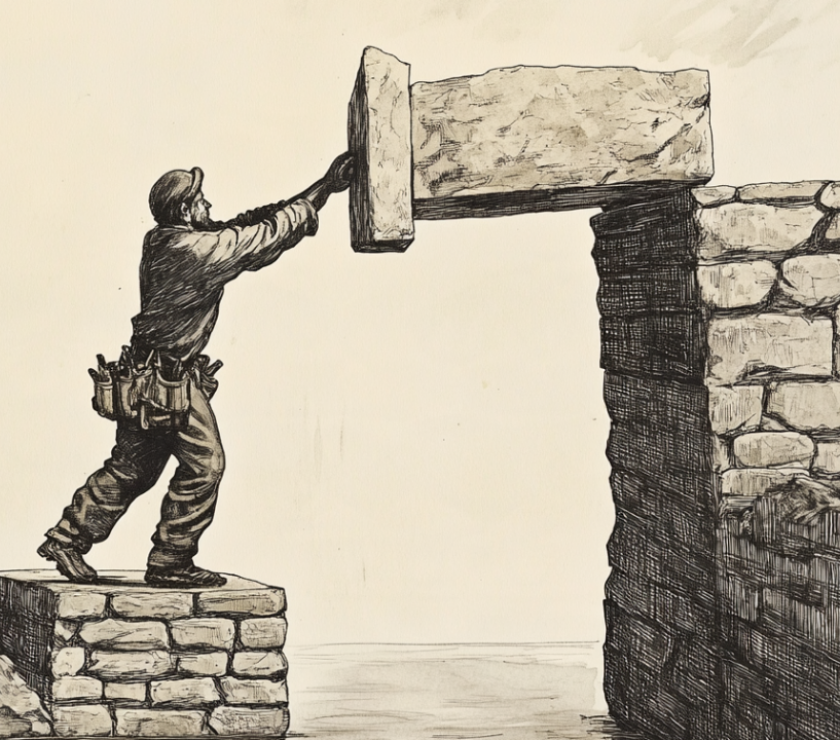
If the valuation is not settled, the token encodes an assumption instead of a fact. If the classification is ambiguous, the token makes that ambiguity permanent. If the asset’s physical integrity has not been verified, the token gives precise digital form to something that remains uncertain in reality. A ledger does not resolve uncertainty in the underlying asset. It fixes whatever certainty, or uncertainty, already exists at the moment of issuance.
The blockchain is the last thing to design in a tokenisation project, not the first.
Where this leaves the work
This is why the process we have described in recent weeks involves lawyers, tax advisors, and technical verification of the asset from the start, not brought in to review something already built. It is slower. It is also the only way the structure holds up once someone with regulatory authority, or simply a competent counterparty, looks closely at it, the asset behind the token included.
About Arbit Technology Limited:
Arbit Technology Limited is a Malta-based company building regulated infrastructure for the tokenisation of real-world assets in European capital markets. The white paper for its ABTK utility token has been notified to the MFSA and registered with ESMA under MiCAR. Alongside its existing technology and consultancy services, the company is developing the Blockestate platform, dedicated to the tokenisation of real estate and other corporate assets.